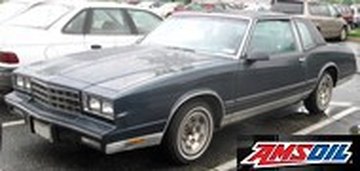
Recommended Synthetic Oil for a 1982 Chevrolet Monte Carlo 4.3L
Product Name
Product Description
Capacities
Product
Signature Series Max-Duty Synthetic Diesel Oil 10W-30
Protect your 1982 Chevrolet Monte Carlo with the best synthetic diesel oil. You will get six times better protection than required by the Detroit Diesel DD13 Scuffing Test. Advanced formula which protects under severe temperature and prevents oil burning/consumption. Max protection and made in the USA.
With filter 7 quarts After refill check oil level.
AMSOIL Heavy-Duty Synthetic Diesel Oil is made for hard-working equipment. It is engineered to provide 4X better wear protection than required by the Detroit Diesel DD13 Scuffing Test for Specification DFS 93K222.R efer to the owner's manual for your 1982 Chevrolet Monte Carlo for the specific oil change interval. Get the best synthetic diesel oil change ever for your 1982 Chevrolet Monte Carlo 4.3L engine!
With filter 7 quarts After refill check oil level.
Signature Series Max-Duty Synthetic Diesel Oil 5W-30
You have found Our top-grade synthetic diesel oil for your 1982 Chevrolet Monte Carlo! Protect your investment in diesel power and confidently extend drain intervals! Provides six times better wear protection than required by the Detroit Diesel DD13 Scuffing Test for Specification DFS 93K222.
Heavy-Duty On-/Off-Road: Three times (3X) OEM1 recommendation, not to exceed 60,000 miles/600 hours or oneyear, whichever comes first.
Turbodiesel Pickup: Two times (2X) OEM1 recommendation, not to exceed 25,000 miles or one year, whichever comes first.
Gasoline Engine
With filter 7 quarts After refill check oil level.
This filter is for your 1982 Chevrolet Monte Carlo and is designed to last up to 25k (normal conditions) or 15k miles (severe conditions) or 1 year, whichever comes first.
WIX oil filter change intervals for your 1982 Chevrolet Monte Carlo are extended OEM recommendations to match the drain intervals of AMSOIL XL Motor oil. (12,000 miles or 1 year, whichever comes first).
Recommended transmission fluids for my 1982 Monte Carlo
Product Name
Note
Capacities
Product Description
Product
Signature Series Fuel-Efficient Synthetic Automatic Transmission Fluid
Automatic Transmission Fluid
(1) This specification has been updated from Dexron II or III to Dexron VI per a Technical Service Bulletin from the manufacturer
5 quarts Initial Fill
4 speed THM200-4R Total Fill 11 quarts
3 speed THM200C Total Fill 9.4 quarts
3.5 quarts Initial Fill
3 quarts Initial Fill
5 quarts Initial Fill
4 speed THM700-R4 Total Fill 11.6 quarts
3 speed THM250C Total Fill 10.8 quarts
4 quarts Initial Fill
If a lighter viscosity is needed then this automatic transmission fluid provides top-notch protection! Recommended for Toyota, Ford, and General Motors transmissions. You will get the same awesome protection as Amsoil's Signature Series Multi-Vehicle automatic transmission fluid. Also recommended for vehicles that need GM DEXRON® VI, Ford MERCON® LV and SP, Honda DW-1, Nissan Matic-S, and Toyota WS fluid specifications.
Automatic Transmission Fluid
(1) This specification has been updated from Dexron II or III to Dexron VI per a Technical Service Bulletin from the manufacturer
5 quarts Initial Fill
4 speed THM200-4R Total Fill 11 quarts
3 speed THM200C Total Fill 9.4 quarts
3.5 quarts Initial Fill
3 quarts Initial Fill
5 quarts Initial Fill
4 speed THM700-R4 Total Fill 11.6 quarts
3 speed THM250C Total Fill 10.8 quarts
4 quarts Initial Fill
Outstanding protection and resists varnish! Change interval based on your Monte Carlo owner's manual.
(1) Limited slip identification: tag under cover-attaching bolt. Models with limited slip use 4 oz GM P/N 1052358 additive or equivalent when fluid is changed.
Rear 3.2 pints
Notes:
(1) In Canada use 80W.
This lube is made to exceed the requirements of equipment and all vehicles that require SAE 80W-90 viscosity. It is made with synthetic base oils and top additives without adding any wax. Amsoil Severe Gear is solid against thermal breakdown. Will give you awesome protection for bearings and gears and tough against heat which will help extend the life of your equipment and avoid costly repairs. Made in the U.S.A.
(1) Limited slip identification: tag under cover-attaching bolt. Models with limited slip use 4 oz GM P/N 1052358 additive or equivalent when fluid is changed.
Rear 3.2 pints
Notes:
(1) In Canada use 80W.
This special formula is made for harsh operating conditions that pick-up trucks endure. Also top-notch protection for SUVs, heavy equipment, and other heavy-duty vehicles. Made in the USA.
(1) Limited slip identification: tag under cover-attaching bolt. Models with limited slip use 4 oz GM P/N 1052358 additive or equivalent when fluid is changed.
Rear 3.2 pints
Notes:
(1) In Canada use 80W.
This is a fantastic lubricant for towing trailers, heavy duty hauling, off road driving/4x4, commercial applications, and for race enthusiasts. This severe gear lube will protect bearings, gears from friction and exceeds performance of any regular gear oil out there!
Keep your truck or vehicle out of the shop and avoid costly repairs with this made in the USA lube.
maximum protection for your 1982 Chevrolet Monte Carlo under extreme temperatures and operating conditions! Lasts up to 150,000 miles or five years! (whichever comes first)
Maintaining Lubrication Standards for the 1982 Chevrolet MONTE CARLO 4.3L Diesel
Proper engine maintenance for a diesel application requires a disciplined approach to fluid management and regular system inspections. For owners of a 1982 Chevrolet MONTE CARLO equipped with the 4.3L diesel engine, staying ahead of routine service tasks is essential for managing the long-term health of the powertrain. Because diesel engines operate under different mechanical stresses than gasoline counterparts, focusing on the quality and cleanliness of lubricants is a primary maintenance priority.
Monitoring Fluid Integrity and Condition
A fundamental aspect of maintaining this vehicle involves regular observation of the engine's operating fluids. Rather than waiting for a scheduled service interval, frequent visual checks can provide early indicators of how the engine is performing.
When inspecting the oil, look for changes in color or consistency. While diesel oil naturally darkens more quickly than gasoline-engine oil due to the nature of diesel combustion, any sudden or extreme changes in appearance warrant closer investigation. Additionally, checking for the presence of unexpected substances within the lubricant can be a helpful diagnostic step. For instance, if the oil appears milky or cloudy, it may indicate that coolant has entered the lubrication system, which requires immediate professional attention.
Beyond the engine oil itself, inspecting other vital fluids is part of a comprehensive service routine. This includes checking levels and looking for signs of contamination in cooling and fuel systems. Maintaining clean fluids helps prevent the buildup of deposits that can interfere with efficient engine operation over time.
Observing Potential Warning Signs
Identifying issues early can prevent more extensive mechanical complications. Owners should remain vigilant for several specific indicators that suggest a need for further inspection:
Visible Seepage: Regularly scan the engine area for any signs of fluid leakage. Even small amounts of seepage around gaskets or seals should be monitored, as they can eventually lead to significant fluid loss.
Unusual Consumption: If you notice that you are frequently needing to add oil to maintain correct levels, this is a sign that the engine may be consuming lubricant at an unexpected rate. This warrants a thorough inspection to determine the cause.
Changes in Engine Sound: While diesel engines have distinct operating sounds, any new or unusual mechanical noises should not be ignored. Changes in the rhythmic pattern of the engine can sometimes be associated with lubrication issues.
Exhaust Observations: Pay attention to the color and consistency of the exhaust. While certain levels of smoke are characteristic of diesel operation, unexpected changes in exhaust output can indicate changes in combustion or lubrication efficiency.
It is important to remember that these symptoms can have multiple causes. A single observation should be treated as a prompt for investigation rather than a definitive diagnosis of a specific component failure.
Prioritizing Long-Term Engine Care
As a vehicle from 1982 ages, maintenance strategies often shift from strictly following a schedule to a more condition-based approach. For the 4.3L diesel engine, this means prioritizing tasks based on the actual state of the components rather than just the age of the vehicle.
One effective way to manage long-term ownership is to establish a clear maintenance baseline. If the previous service history of the Monte Carlo is unknown, performing a comprehensive inspection and documenting all findings can create a starting point for future care. This includes recording the dates and details of every oil change, filter replacement, and fluid service.
When managing an older engine, focus on addressing active concerns first. An active leak or a noticeable change in how the engine consumes oil should take precedence over general preventive tasks. Furthermore, as components like hoses or electrical connections age, they should be inspected for signs of deterioration such as cracking, fraying, or corrosion. Using current condition to guide your maintenance decisions ensures that resources are directed toward the areas that most impact the vehicle's reliability.
Routine Inspection of Engine Components
A proactive approach to service includes inspecting various peripheral components that support engine operation. While focusing on lubrication is critical, the environment in which the engine operates also matters.
If equipped, inspect accessible drive belts for signs of wear, such as glazing, cracking, or fraying. Similarly, if the vehicle is equipped with various hoses, check them for softness, swelling, or leaks. Ensuring that these components are in good condition helps prevent unexpected downtime and protects the integrity of the engine's supporting systems.
Electrical connections and wiring should also be checked periodically. In an older vehicle, ensuring that connectors are clean and free from corrosion can prevent intermittent issues with sensors or other electrical components that monitor engine health. Consistent, small-scale inspections are often more effective than waiting for a major service interval to identify potential problems.
Selecting the Right Lubricant for Diesel Applications
When it is time to replenish the engine oil, selecting a product that meets the specific needs of a diesel engine is vital. Diesel engines require lubricants that can handle different thermal and chemical environments compared to gasoline engines.
Some high-mileage oil formulations contain additives intended for use in aging engines. These may include seal-conditioning additives designed to help maintain the integrity of various gaskets and seals as they undergo years of heat cycles. When choosing between conventional, synthetic blends, or full synthetic oils, consider the specific requirements of your engine's current condition and operating environment.
Always ensure that any lubricant you select meets the appropriate API (American Petroleum Institute) service categories for diesel engines. Checking the product label is a critical step to confirm that the oil is suitable for the application.
Practical Guidance for Buying Engine Oil for the 1982 Chevrolet MONTE CARLO 4.3L
To ensure the continued health of your engine, you must match the lubricant to the specific requirements of your vehicle. When you are ready to purchase new oil, do not rely on general automotive knowledge or assumptions based on the vehicle's age. Instead, refer directly to the application-specific viscosity and oil type information provided on this webpage.
Before completing your purchase, verify that the product packaging clearly displays the correct specifications for your 4.3L diesel engine. Whether you choose a conventional oil, a synthetic blend, or a high-mileage formulation, the most important factor is that it aligns with the technical data listed in the application information above. By following these specific guidelines, you can ensure that your lubrication service supports the long-term performance of your 1982 Chevrolet MONTE CARLO.
Vehicle photograph from our catalog. Appearance may differ by model or trim.
If you're looking for another year, make or model instead of this 1982 Chevrolet MONTE CARLO motor oil, try one of these similar models below. We try to keep one page for each model vehicle.